
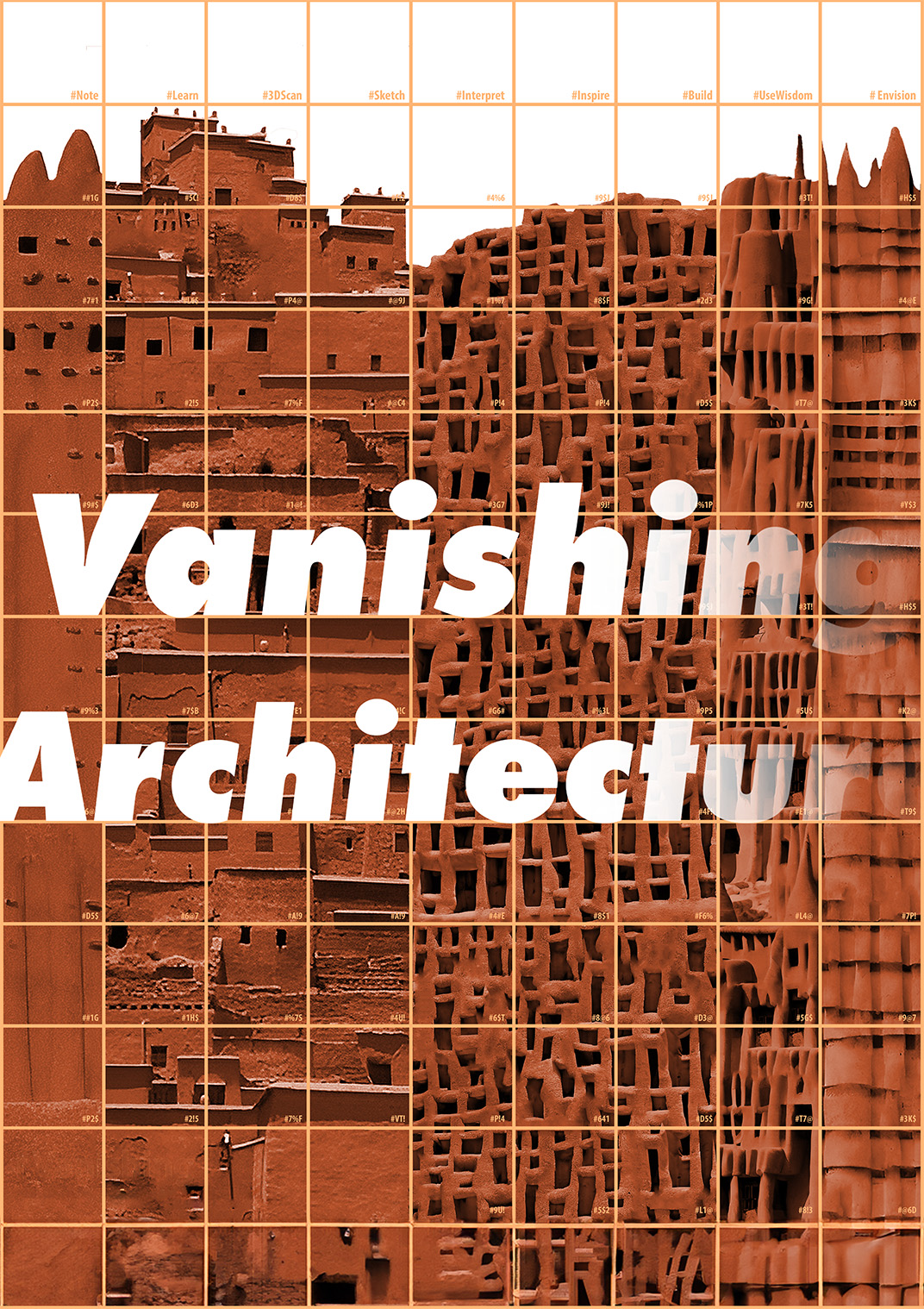
O czym jest projekt?: O zachowaniu mądrości tradycyjnej wiedzy architektonicznej, zanim bezpowrotnie zaginie. Czerpaniu z niej inspiracji do poszukiwania innowacji i tworzenia nowego języka oraz rozwiązań architektonicznych.
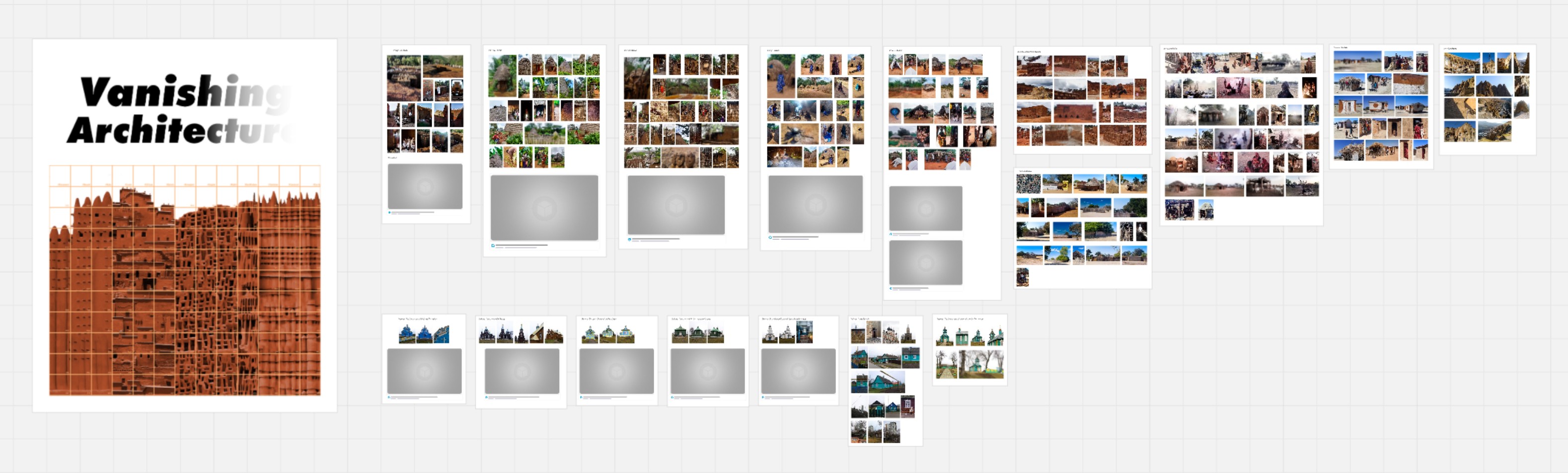
Atlas:
What is the project about?: Preserve the wisdom of traditional sustainable architectural knowledge before it is lost forever. Learn from it to find innovation and create new architectural language/solutions.
https://bit.ly/vanishingarchitecture
- Phase I: Document disappearing types of architecture worldwide
- Phase II: Create open-source atlas with all the photos and videos explaining the disappearing knowledge
- Phase III: Feed generative AI with this knowledge to create new visions of sustainable architecture.
Youtube Playlist:

Introduction
Vernacular architecture, “architecture born from place,” is created without the involvement of professional architects. It naturally adapts to its environment and community, utilizing solutions proven over generations. It serves as a significant source of knowledge on how to coexist harmoniously with nature. This type of architecture is present worldwide, but quickly disappearing forever, without being well documented.
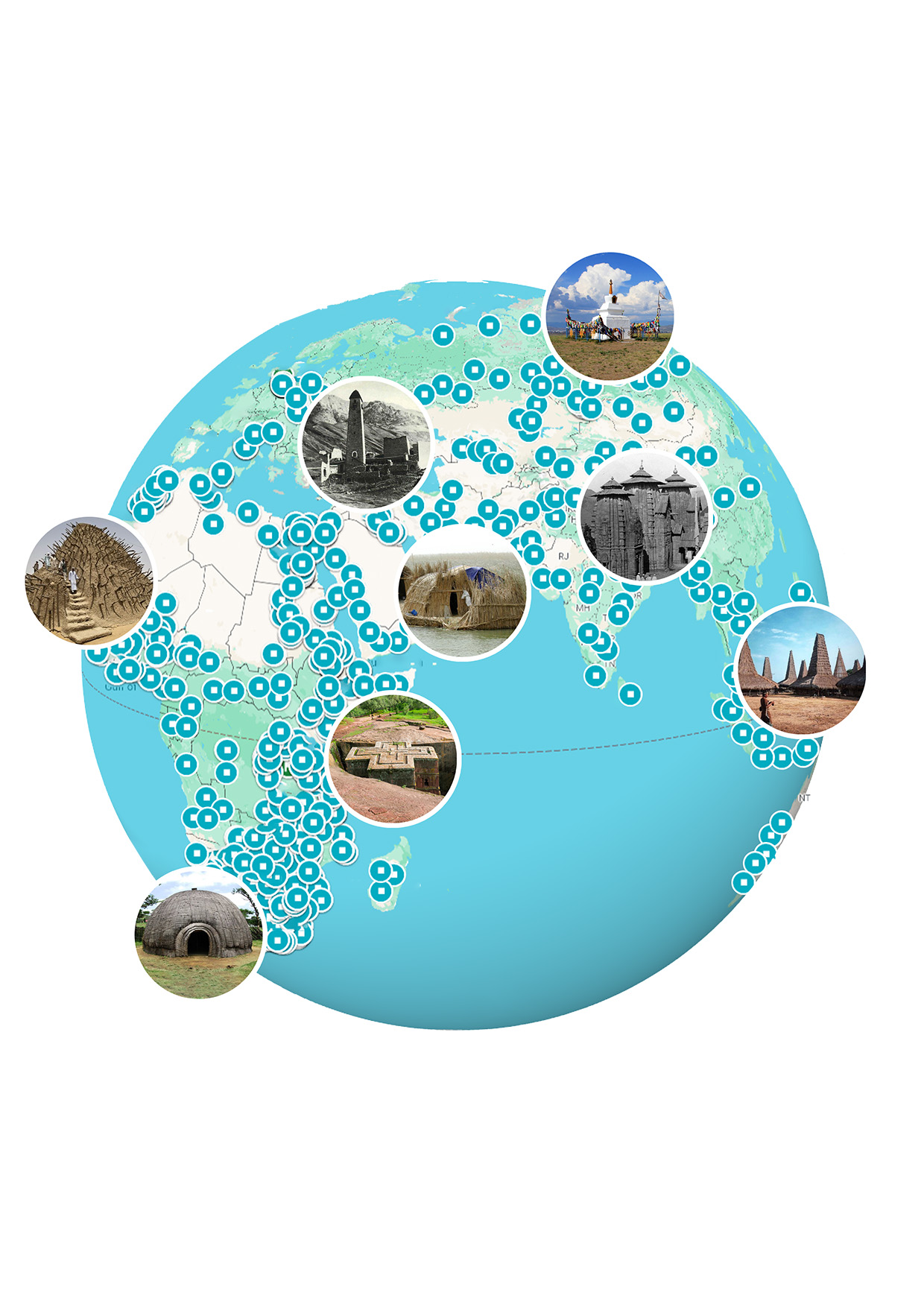
The aim of this project is its detailed documentation. Due to the global dispersion of such architecture and the desire to limit long-distance flights, the research scope will focus firstly on one continent. The project is extensive enough to expand the research to other regions of the world in the future. Africa has been chosen as the first destination due to its diversity of vernacular architecture examples and my extensive past travel experience there.
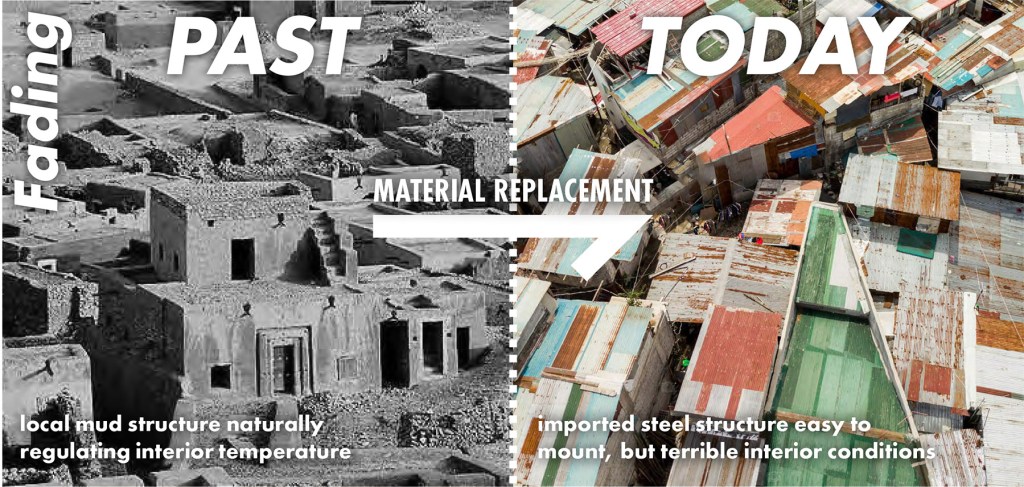

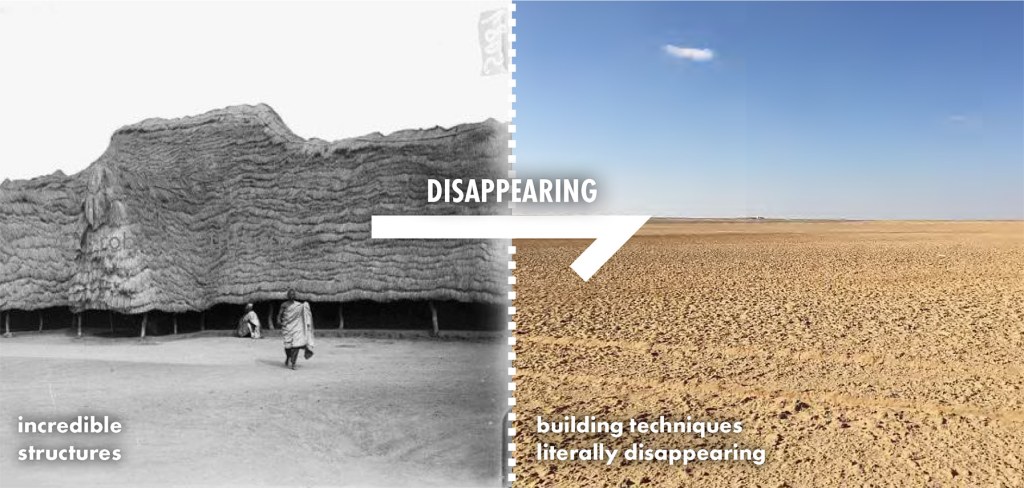
The artistry of vernacular architecture is diminishing as traditional techniques are overshadowed by widely-used modern materials. The decline in intergenerational craftsmanship is concerning, as the construction methods, which encapsulate immense wisdom developed over centuries, are increasingly being forgotten.
These methods are replaced by simpler, lower-quality building techniques that often overlook crucial aspects, including local climate conditions. While modern societies frequently turn to new technologies to address sustainability challenges, many of these could be effectively tackled by drawing on the knowledge inherent in vernacular architecture.
During my travels, I witnessed this myself…
Phase I – Documenting
Due to the erosion of traditional architecture globally, my fascination with the remarkable clay and other sustainable structures intensifies. Enthralled by their unique forms and the expertise behind their construction, I aspire to immerse myself in the intricacies of this craft and document its nuances before they vanish.
The endeavor aims to document (through photos and videos) the rapidly vanishing traditional buildings, crafts, and skills (firstly across 13 countries in West Africa),
This journey navigates through diverse climatic zones, showcasing a wide variety of endangered architectural types. Given my involvement in several architectural projects focused on rammed earth and sustainable design, this topic resonates deeply with me both as an architect and a traveller.
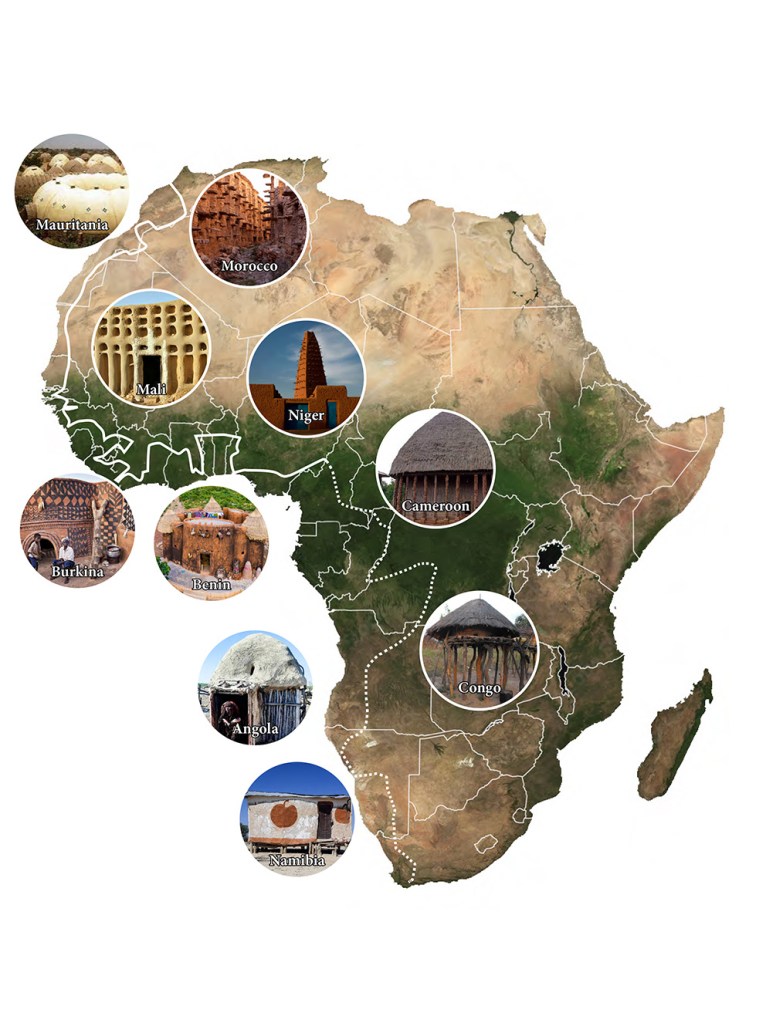
From the snow-capped peaks of the Atlas Mountains to the extreme aridity and scorching temperatures of the Sahel region, from the coastal savannah climates to the sweltering tropics. These contrasting climatic conditions influence the vast diversity of architecture in West Africa.
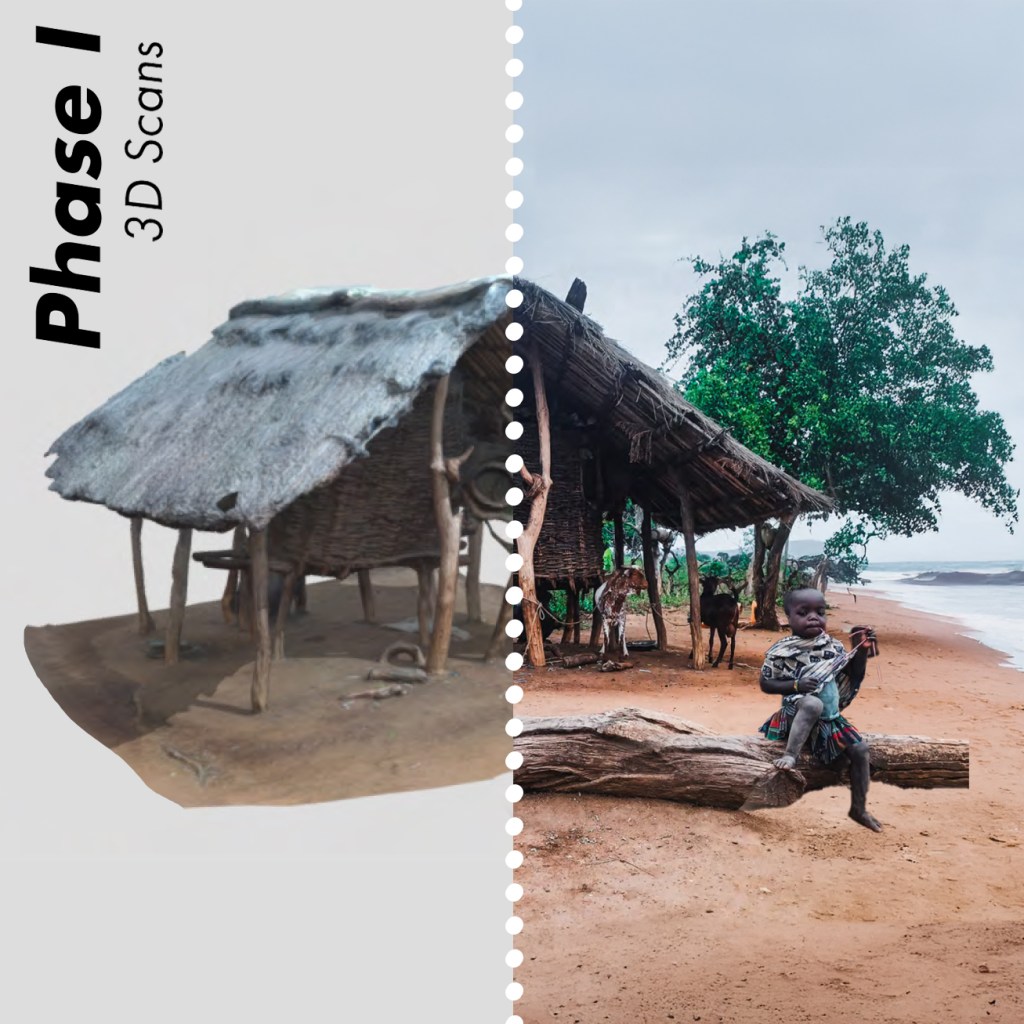
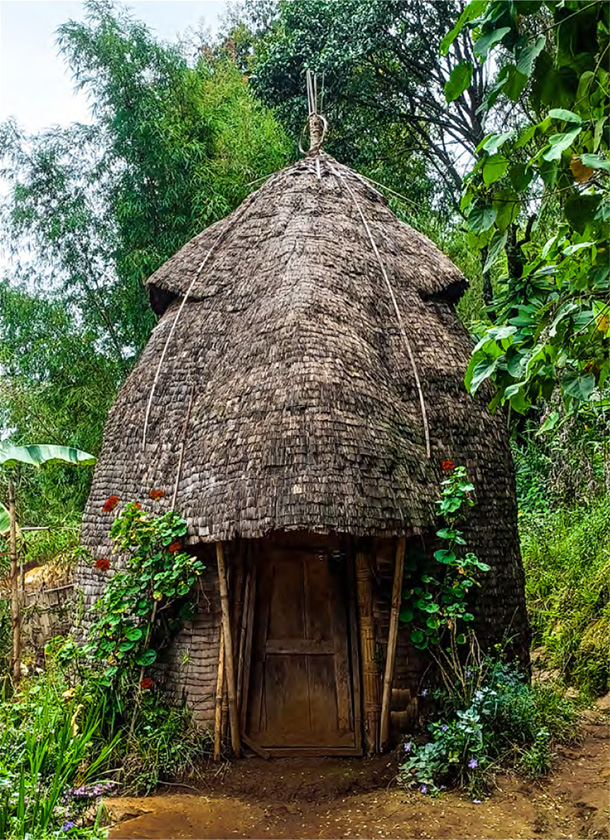
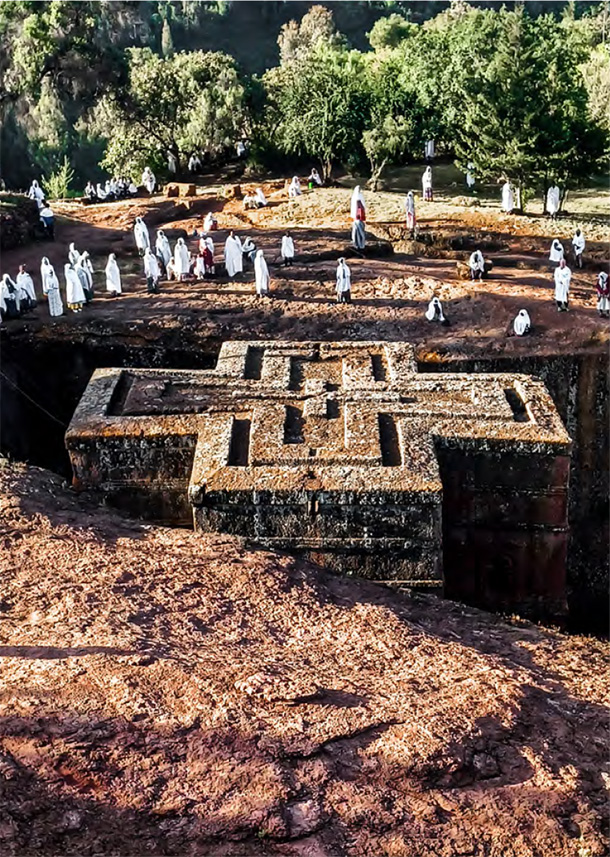
3D Scans: During my previous trips, I began already documenting examples of vernacular architecture using simple 3D scanning, recording building process and taking pictures of details.
Phase II – Atlas
The progress will be communicated to the public by sharing on Youtube, Instagram, TikTok, LinkedIn and X.
To immortalize the essence of vernacular architectural heritage, the documentation will be shared on an open-source online atlas and will consist of:
– Photographs
– Videos of the architecture and building process
– 3D Scans of intricate details
– Descriptions of the construction process, skills, craftsmanship, tools, materials and everything else encapsulating the artistry of construction.
– Sketches.
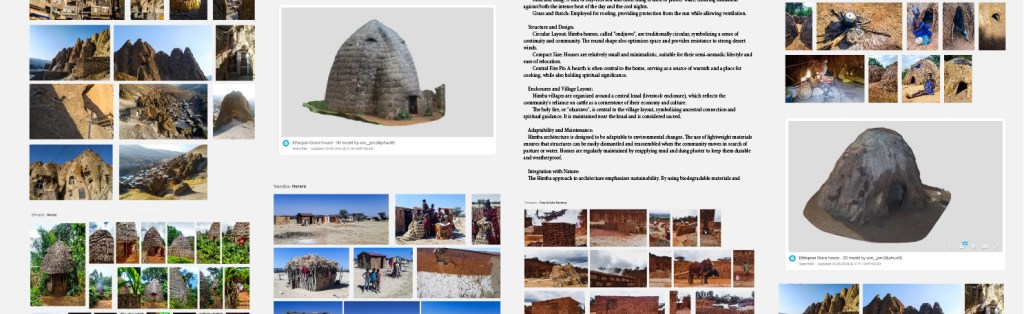
A draft of an online atlas was already created, drawing from my travels around the world, where I gathered materials on disappearing architectural styles. This draft serves as a test to explore how an atlas of sustainable, fading building techniques might take shape.
Phase III – Construct
The gathered database of photos and information about vernacular buildings will be used to train neural networks to create new architectural forms generated by AI, as the examples in the video above. Based on this, new types of architecture will be designed and constructed by me both on-site with local builders serving the communities there and back home, where innovative prototypes of architectural elements will be developed.
The architecture will be built using local materials and techniques. The construction process and the documentation of the original buildings will be documented (through photos and videos) broadcast on social media, presenting all the research, knowledge, and progress from each construction site.
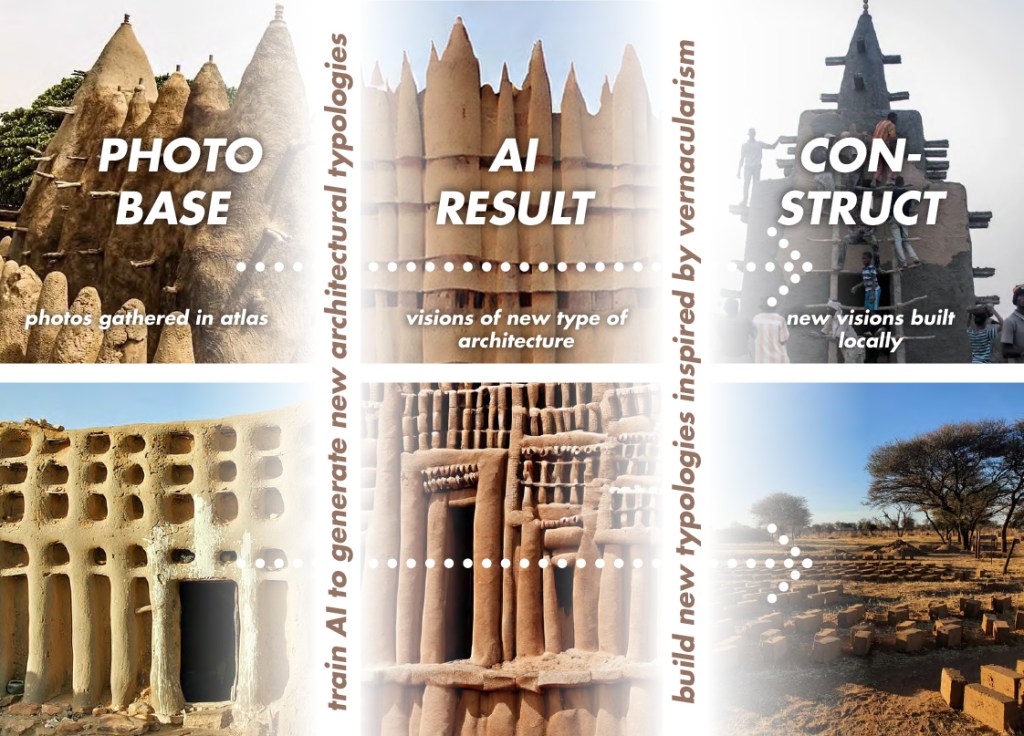
The construction will be divided into two stages -> (A)Learn and (B)Innovate:
(A) Learn:
To gain hands-on experience with traditional/vernacular building techniques, I will actively participate in construction alongside local communities and artisans, learning their methods firsthand.
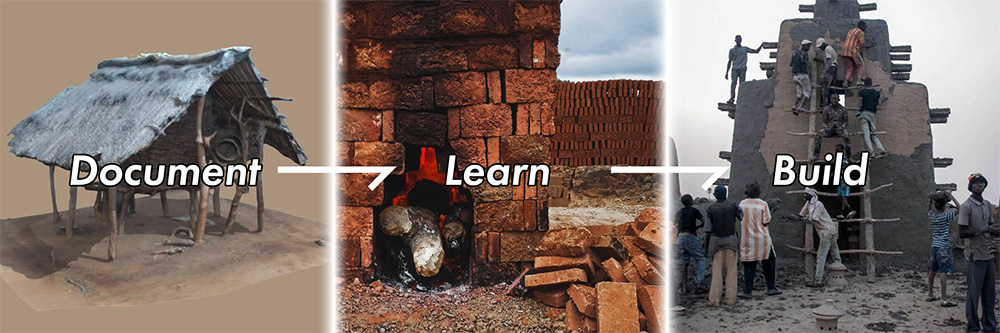
Document smart architectural techniques through 3D scanning, photography, videography, and written analysis.
Learn through hands-on experience with these smart construction techniques.
Build using this knowledge locally to support local communities (my Namibian friend has offered to construct a settlement for workers on his farm)
(B) Innovate:
Upon returning to Europe or on-site, the prototypes of architectural elements will be developed (drawing inspiration from the locally acquired craftsmanship) using modern digital technologies and robotics,
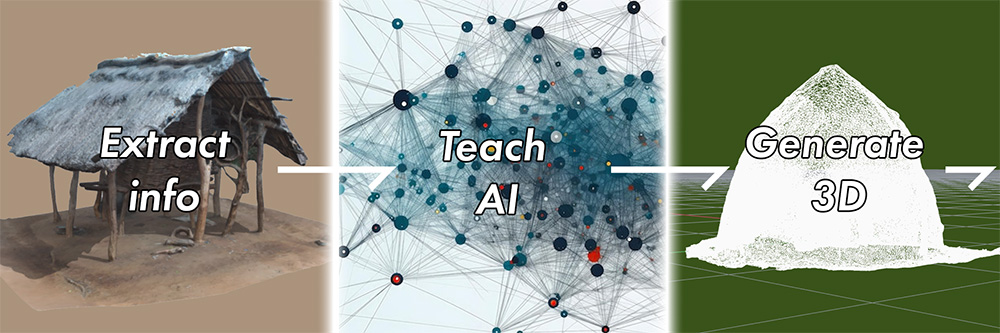
Extract valuable information from photos and models of vernacular architecture
more
Material properties, textures, decorative patterns, and structural details can be extracted from photos. 3D models offer precise geometric data, load-bearing structures, and modularity, to analyze proportions, optimize typologies.
Train AI using the extracted insights from vernacular architecture
more
A neural network will be trained using datasets of vernacular structures, analyzing geometric patterns, spatial organization, and material efficiencies (StyleGAN or or similar will be tested for pattern recognition and typology generation).
Generate new 3D typologies using AI tools inspired by vernacular architecture.
more
AI-generated typologies will be translated into parametric design frameworks, allowing iterative refinements based on environmental and structural constraints. Algorithms will generate adaptive geometries influenced by real vernacular principles
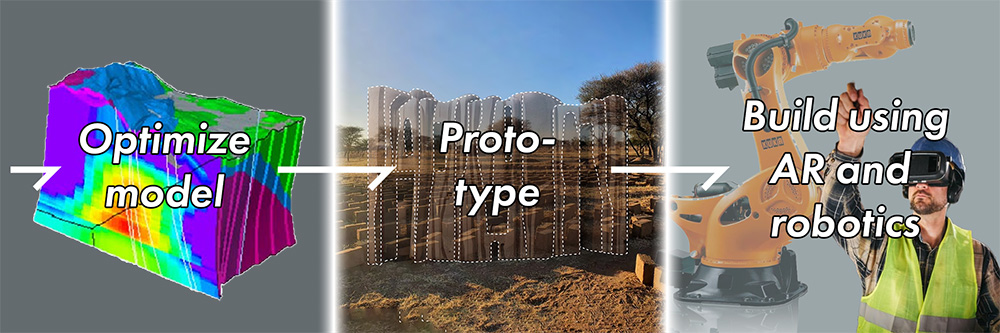
Optimize the AI-generated model by considering factors such as load, structural strength, shadow, airflow, mositure flow and thermal radiation.
more
The models will be stress-tested through digital simulations, ensuring load distribution, thermal flow, moisture flow and environmental performance (using tools like Karamba/Ladybug/Honeybee etc.).
Build the working prototypes either on-site/in the lab.
more
Prototypes will be fabricated using a mix of digital and manual methods, integrating Augmented Reality, 3D-printed clay, and locally sourced natural materials. (the Namibian farm could also serve as a test site for evaluating the prototypes)
Use AR and newly generated 3D typologies, supported by robotics (such as 3D printing), to construct the sophisticated geometry of the prototype.
more
Augmented Reality (AR) will guide manual assembly, overlaying digital designs onto the construction site. Robotic 3D printing will fabricate complex geometries using for example earth-based materials(depending on the study case)
The first attempts at AI coding to generate a new typology of architecture (expand)
IMPORT LIBRARY
pip install torch torchvision opencv-python matplotlib tqdm streamlitPHOTO PREPROCESSING
import os
import cv2
from tqdm import tqdm

def preprocess_images(input_dir, output_dir, img_size=256):
    os.makedirs(output_dir, exist_ok=True)
    for img_name in tqdm(os.listdir(input_dir)):
        img_path = os.path.join(input_dir, img_name)
        img = cv2.imread(img_path)
        if img is not None:
            img = cv2.resize(img, (img_size, img_size))
            cv2.imwrite(os.path.join(output_dir, img_name), img)

if __name__ == "__main__":
    preprocess_images("data/raw", "data/processed", img_size=256)

#### MODEL TRAINING
import torch
import torchvision.transforms as transforms
from torch.utils.data import DataLoader, Dataset
from torchvision.datasets import ImageFolder
from torchvision.utils import save_image
from tqdm import tqdm
from model import Generator, Discriminator  # Dodamy modele później

# Hiperparametry
z_dim = 100
batch_size = 16
epochs = 100
lr = 1e-4

# Przygotowanie danych
transform = transforms.Compose([
    transforms.Resize((256, 256)),
    transforms.ToTensor(),
    transforms.Normalize([0.5], [0.5])
])

dataset = ImageFolder(root="data/processed", transform=transform)
dataloader = DataLoader(dataset, batch_size=batch_size, shuffle=True)

# Modele
gen = Generator(z_dim)
disc = Discriminator()
opt_gen = torch.optim.Adam(gen.parameters(), lr=lr)
opt_disc = torch.optim.Adam(disc.parameters(), lr=lr)
criterion = torch.nn.BCELoss()

# Trenowanie
for epoch in range(epochs):
    for real, _ in tqdm(dataloader):
        real = real.view(-1, 256*256*3).to("cuda")
        batch_size = real.size(0)

        # Dyskryminator
        noise = torch.randn(batch_size, z_dim).to("cuda")
        fake = gen(noise)
        disc_real = disc(real).view(-1)
        disc_fake = disc(fake).view(-1)
        lossD = (criterion(disc_real, torch.ones_like(disc_real)) +
                 criterion(disc_fake, torch.zeros_like(disc_fake))) / 2
        opt_disc.zero_grad()
        lossD.backward()
        opt_disc.step()

        # Generator
        output = disc(fake).view(-1)
        lossG = criterion(output, torch.ones_like(output))
        opt_gen.zero_grad()
        lossG.backward()
        opt_gen.step()

    print(f"Epoch [{epoch}/{epochs}] Loss D: {lossD:.4f}, Loss G: {lossG:.4f}")
    save_image(fake.view(-1, 3, 256, 256), f"output/epoch_{epoch}.png")
GENERATE NEW IMAGES
import torch
from torchvision.utils import save_image
from model import Generator

def generate_images(z_dim=100, num_images=10, output_dir="output/generated"):
    gen = Generator(z_dim).to("cuda")
    gen.load_state_dict(torch.load("generator.pth"))  # Wczytaj wytrenowany model
    gen.eval()

    os.makedirs(output_dir, exist_ok=True)
    noise = torch.randn(num_images, z_dim).to("cuda")
    with torch.no_grad():
        fake_images = gen(noise)
        for i, img in enumerate(fake_images):
            save_image(img, os.path.join(output_dir, f"image_{i}.png"))

if __name__ == "__main__":
    generate_images()
USER INTERFACE
import streamlit as st
from generate import generate_images

st.title("Generowanie Architektury AI")
if st.button("Generuj obrazy"):
    st.write("Generowanie...")
    generate_images()
    st.image("output/generated/image_0.png", caption="Wygenerowany obraz")
Rest
Article National Geographic
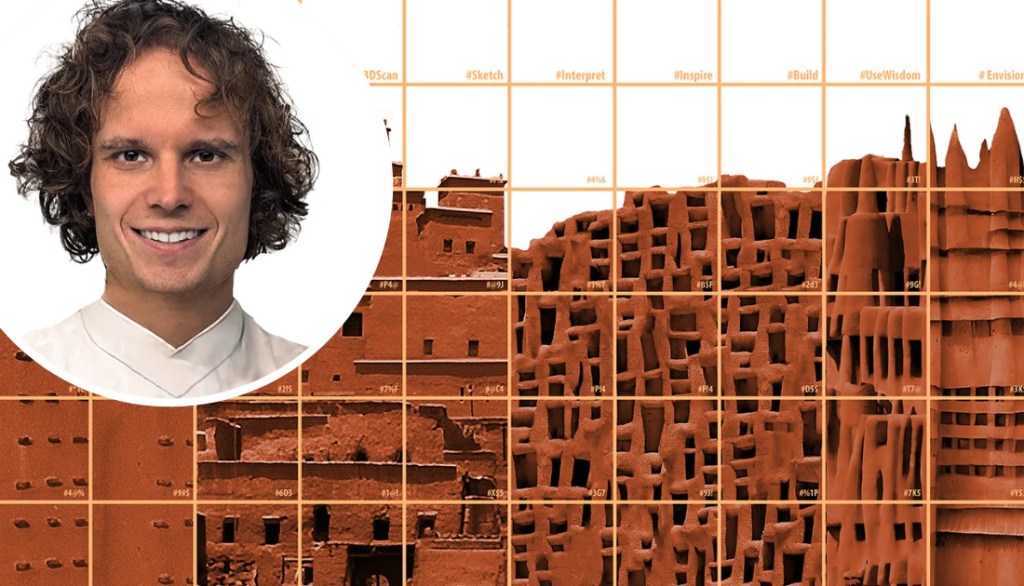
Blog about far architecture
Schedule

Phases of the project can be conducted alternately, focusing on one goal or region at a time, changing destinations, or being highly adaptive to ensure the project aligns with the progression of the PhD program (such as being present at the university for tasks like teaching or other academic responsibilities). Due to drastic temperature changes and harsh conditions varying by season, it would be optimal to target specific weather windows, which differ by region.
It would be most advantageous to start the first phase from the north of Africa during the winter. The second phase, involving the creation of the atlas, would occur during the journey but primarily after returning. The third phase would happen after second phase and partially involve returning to those locations again.


Evaluation
Evaluation and outcome measures: How will you measure the success of your project?
– Achieving comprehensive coverage of vernacular architecture across the targeted countries
– Analyzing the reach and impact of the project through social media analytics and website traffic
– Number of workshops, lectures, and presentations given
– Securing exhibitions and publications for the photographs and videos
Challenges
Since I have traveled extensively in Africa, I know it is full of surprises. In the case of unforeseen extreme situations beyond my control,
– The traditional architectural examples are often demolished. Fortunately, there are alternative buildings representing a similar style
– Hire a local interpreter. to communicate with the locals to learn about their craftsmanship is to
– Due to unstable political situation in many countries, the only option is to bypass them
– Construction challenges include limited access to tools, the remoteness of the locations, and collaboration with locals.
Recommendation
The idea was previously recognized by the Pritzker laureate Sir Norman Foster but never received funding. Motivated by the near miss in a prestigious competition, where it came close to securing financial support, my commitment to continue this project has only strengthened.
Since that time, the project has further developed and improved, better addressing the challenges it aims to tackle.

Pdf presentation to download
 Jan Dabrowski